People of Asia for Climate Solutions brings together practitioners, civil society groups, and energy experts through field visits and stakeholder dialogue, and participates in an international symposium to advance knowledge-sharing on rural solar PV development.
PHILIPPINES, November 13, 2026 –People of Asia for Climate Solutions (PACS), in partnership with the Guangzhou Institute of Energy Conversion of the Chinese Academy of Sciences (GIEC-CAS), convened a series of exchanges from November 8-10 to explore opportunities and challenges in expanding rural solar PV deployment in the Philippines. The activities brought together local practitioners, civil society organizations, government representatives, researchers, and energy experts to share experiences and discuss how solar energy can contribute to rural development in the Philippines.
The three-day program started with field visits to solar energy initiatives by local communities and businesses in Nueva Ecija, a stakeholder lunch meeting in Quezon City with Philippine civil society organizations and energy experts, and concluded with the International Symposium on Rural Solar PV Development in Davao City.
Organized by the Department of Science and Technology’s Philippine Council for Industry, Energy, GIEC-CAS, and Emerging Technology Research and Development (DOST-PCIEERD) and DOST Region XI (Davao Region), the symposium provided a platform for Filipino and international participants to exchange experiences, examine existing applications, and identify potential areas for collaboration to adopt rural solar initiatives from China to the Philippine context.
Learning from Philippine Experiences: Solar Energy in Rural Communities
On November 8, PACS facilitated GIEC's field visit to Nueva Ecija, where the delegation learned about local solar initiatives serving public facilities, agricultural operations, and community infrastructure.
The delegation visited the facility of Congressman Mario “Kokoy” Salvador to see how solar installations can support public facilities and benefit local communities. At the farm of Dr. Segundo Cervantes, participants explored opportunities to integrate solar energy into agricultural operations. The group also visited Pastor George Mauro’s church, highlighting how places of worship and other community facilities can demonstrate renewable energy use adoption and encourage wider public participation.
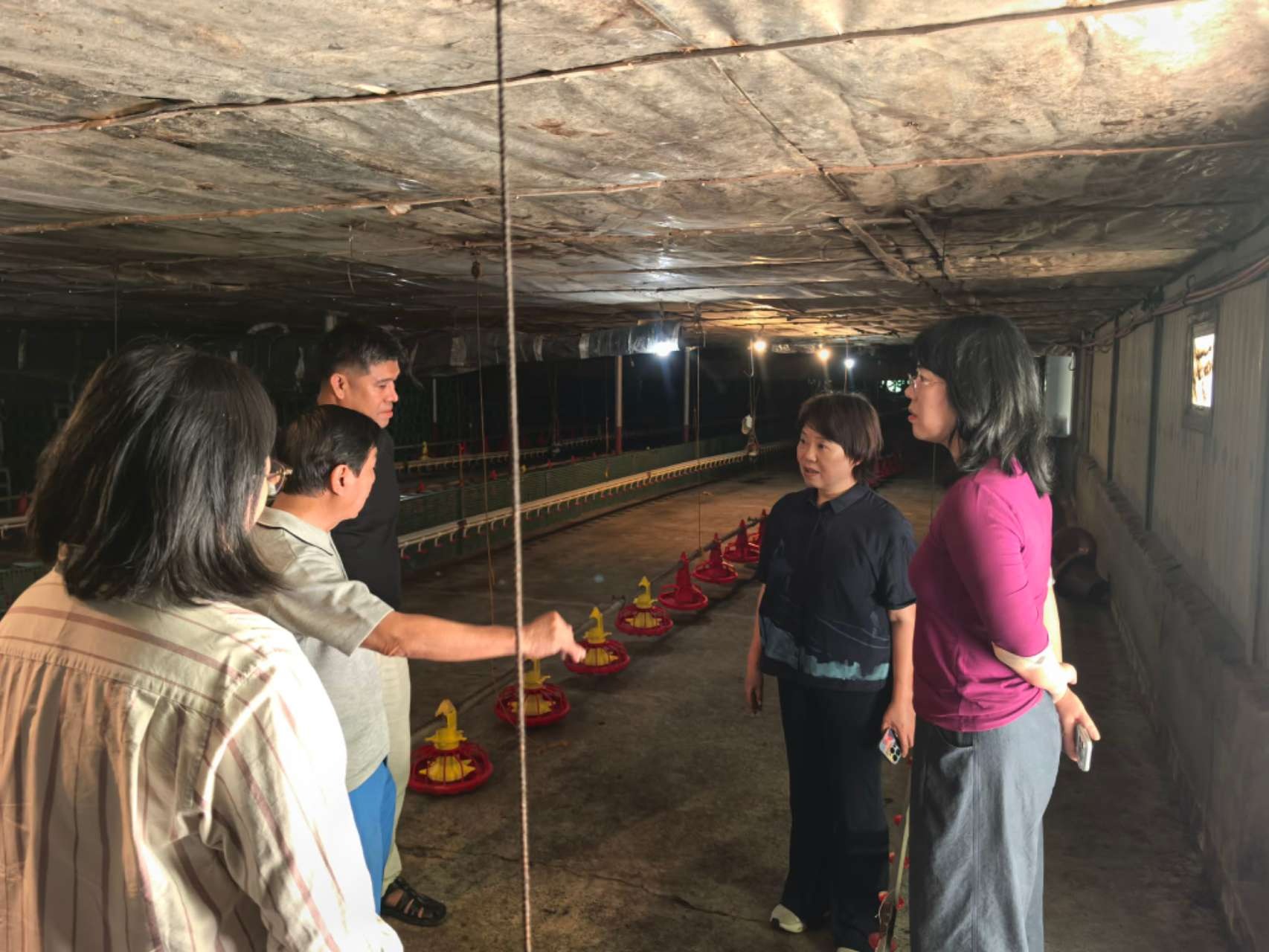 PACS and the GIEC delegation visit Dr. Segundo Cervantes’ farm in Nueva Ecija to explore integrating solar power into farm operations.
In Barangay Bicos, the delegation visited a community solar installation project initiated by Barangay Captain Victor Dela Cruz that supplies electricity to essential town (barangay) facilities, including the town barangay hall, health center, day care center, and town gymnasium and basketball court. The initiative illustrates how locally deployed solar energy can support public services while providing electricity for spaces that serve everyday community needs.
Distributed solar is particularly well suited to rural communities that are often underserved or entirely unserved by conventional electricity systems, making electricity, an essential service, more accessible, affordable, and reliable.
The field visit also included an exchange with Engr. Carlo Molina, a local solar installer and instructor. The discussion highlighted the importance of developing local technical expertise and strengthening the capacity of Filipino practitioners to install and maintain solar energy systems.
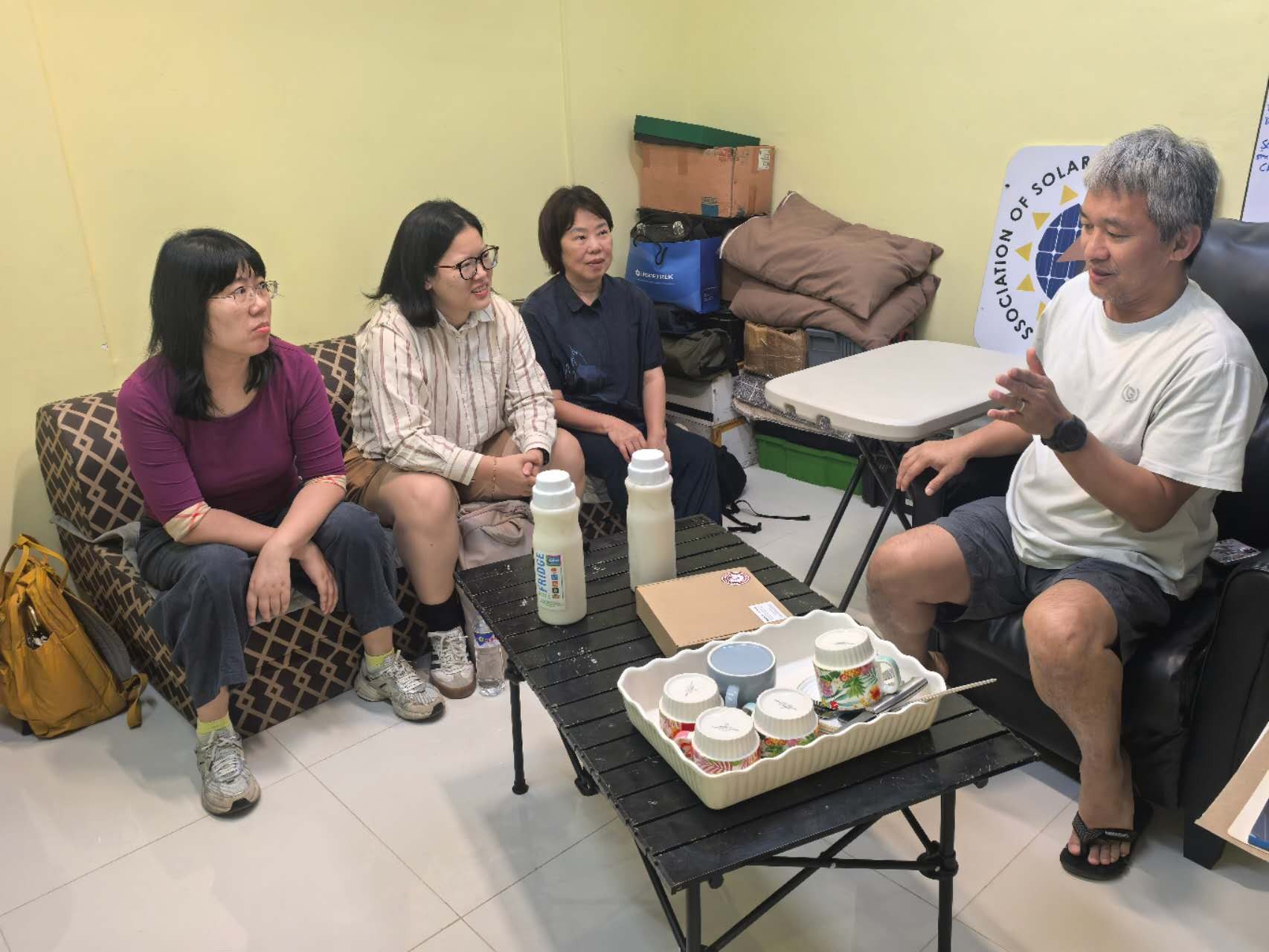
The GIEC delegation meets with solar installer and instructor Engr. Carlo Molina to discuss building local technical capacity for rural solar deployment.
These visits gave GIEC firsthand insights into emerging models of rural solar deployment in the Philippines and the ways renewable energy can contribute to local development.
"Rural solar development should be measured not only by the capacity of solar installations but also by the benefits they bring to people. Our experiences in Nueva Ecija demonstrate how solar energy can support essential public services, strengthen agricultural activities, and empower communities. We want to build on these experiences and identify models that can be replicated and scaled up in other localities," said Jasmine May Sabado, Senior Energy Transition Campaigner of PACS.
Civil Society Dialogue: Addressing Bottlenecks to Rural Solar Expansion
On November 9, PACS and GIEC convened a lunch meeting with representatives from Philippine civil society organizations and energy experts to discuss the current landscape of solar energy development in the country, focusing on the opportunities and barriers affecting rural solar adoption.
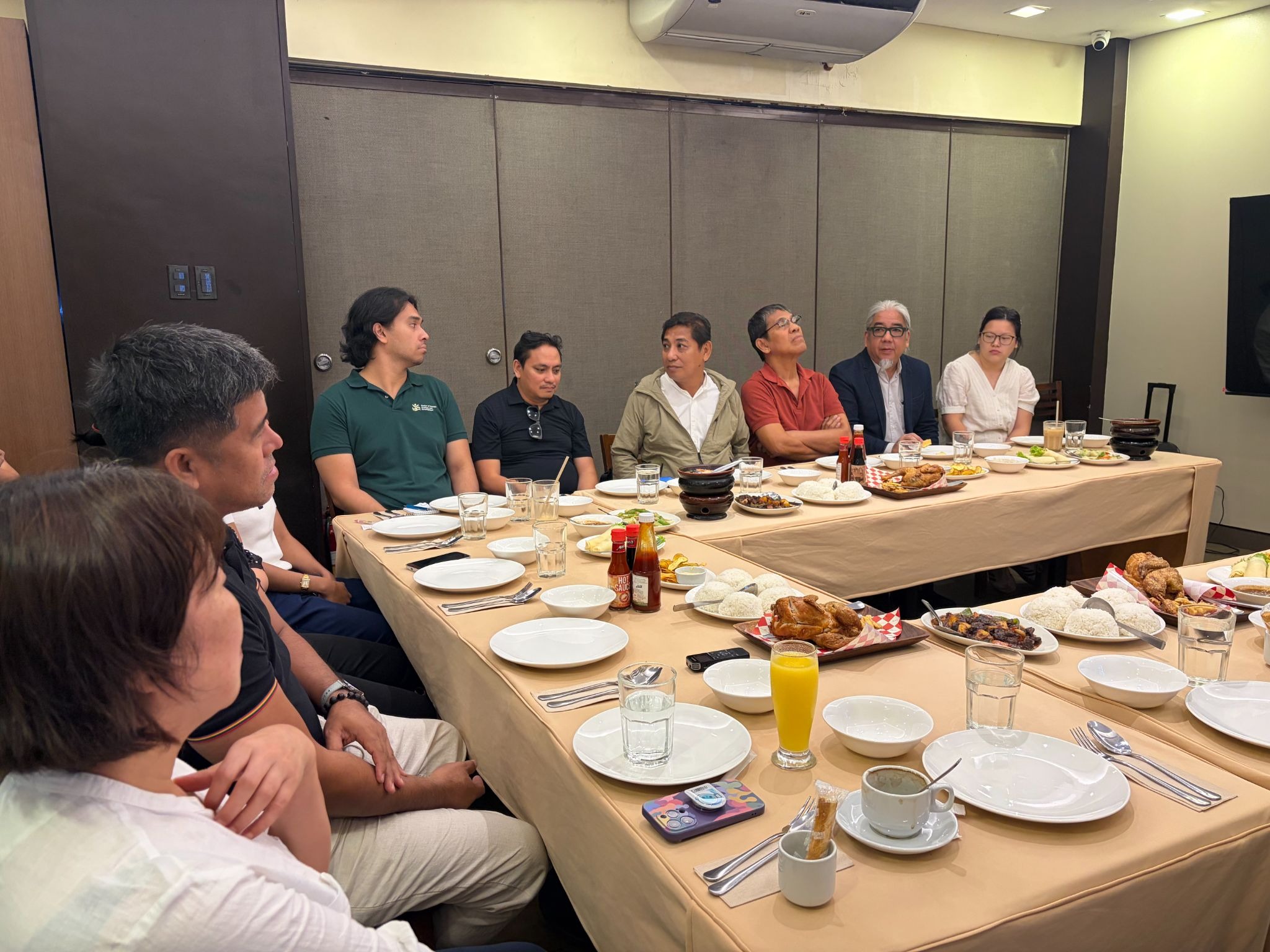
PACS, GIEC, Philippine civil society groups, and energy experts discuss opportunities and barriers to scaling up rural solar in the Philippines.
Participants included the Philippine Movement for Climate Justice (PMCJ), Philippine Solar and Storage Energy Alliance (PSSEA), Center for Energy, Ecology, and Development (CEED), 350.org, and the Institute for Climate and Sustainable Cities (ICSC), alongside climate and energy experts.
The discussion examined barriers to adopting and expanding solar energy in the Philippines, including access to financing, policy and regulatory frameworks, grid infrastructure, energy storage, local implementation capacities, and the sustainability of rural solar projects.
Participants exchanged recommendations on strengthening enabling policies, improving access to financing, expanding community-level renewable energy initiatives, and ensuring that solar development contributes to equitable and sustainable rural development.
The dialogue highlighted the value of bringing together civil society, industry, researchers, and policymakers to develop solutions that respond to the country's specific energy needs and local realities.
International Symposium Advances Knowledge Exchange on Rural Solar PV
The series culminated on November 10 with the International Symposium on Rural Solar PV Development: Technology, Policy, and Sustainable Development, held at Acacia Hotel in Davao City.
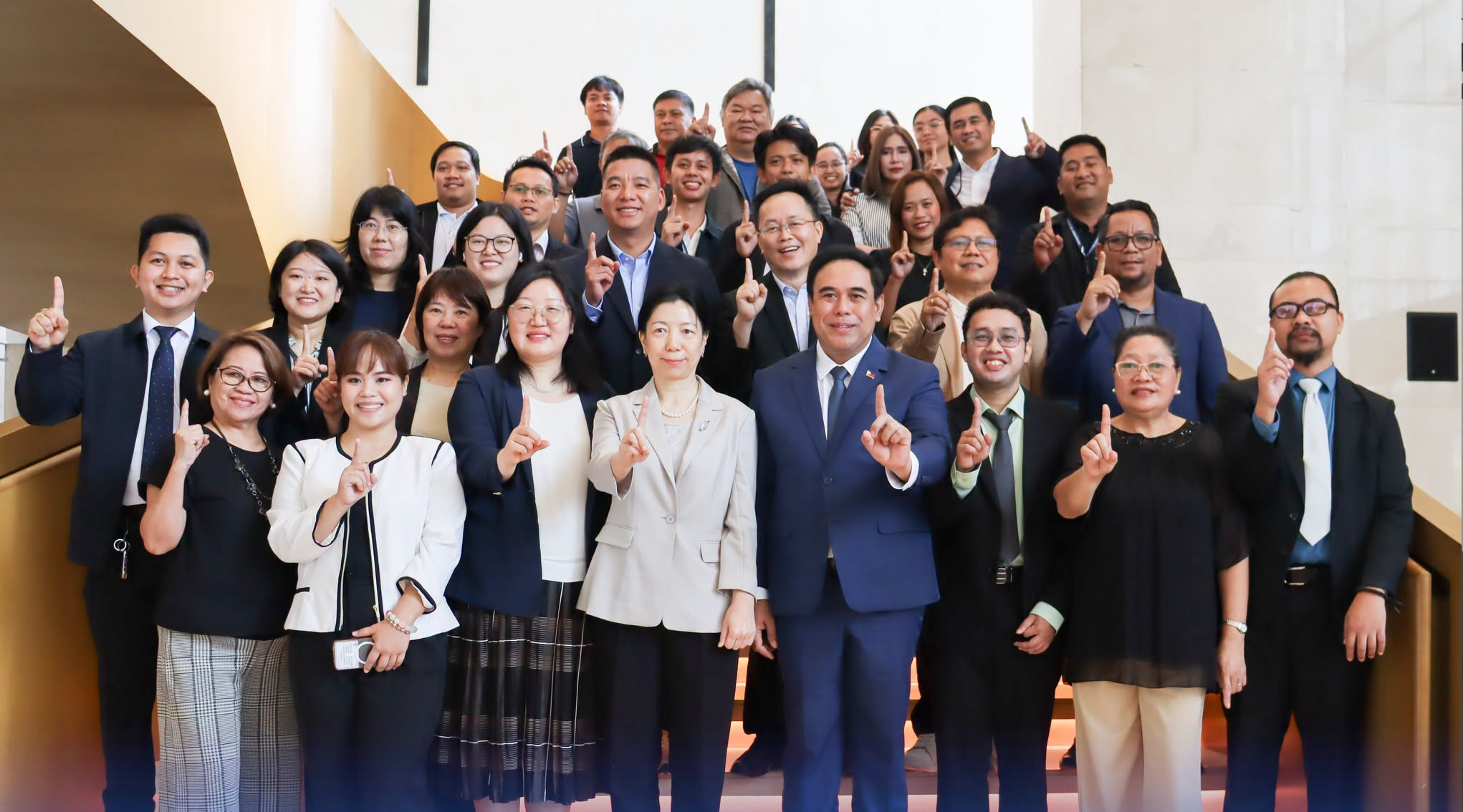
Philippine and Chinese government representatives, researchers, and energy experts gather at the International Symposium on Rural Solar PV Development in Davao City.
Organized by DOST-PCIEERD, GIEC-CAS, and DOST Region XI, the symposium brought together Filipino and international experts, researchers, government representatives, and renewable energy practitioners to discuss pathways for accelerating rural solar PV development.
In her congratulatory remarks during the symposium's opening program, Ms. Zhang Dong, Counselor of the Chinese Embassy in the Philippines, outlined three expectations for strengthening cooperation on rural solar PV development: "First, strengthen policy exchanges on rural PV planning, investment and financing, benefit sharing, and project management. Second, deepen joint research and demonstration in PV-storage integration, micro-grids, and agricultural energy use, with attention to local adaptability and long-term performance. Third, invest in talent—expanding exchanges among researchers, technical training, and capacity building, and supporting young researchers and local operation and maintenance personnel."
Sessions covered the renewable energy transition and solar PV development in the Philippines, China's rural solar PV development practices, solar industry development, rural solar business models, microgrid systems, and distributed renewable energy initiatives.
PACS participated in the symposium's second panel discussion on rural solar PV implementation, solutions, business models, and sustainable development. Sabado joined experts from China, Thailand, and the Philippines in examining how rural solar initiatives can be designed to support local economic development and improve rural livelihoods.
"China's rural solar experience offers valuable lessons, particularly in connecting renewable energy deployment with broader rural development objectives. However, these models need to be adapted to local conditions. In the Philippines, we must consider how to strengthen rural electricity demand, improve distribution infrastructure, make financing accessible, and develop business models that allow communities to benefit directly from solar energy," said Professor Xie Pengcheng of GIEC-CAS.
Professor Cuiping Liao, who moderated the symposium's second panel discussion, emphasized the importance of international cooperation and continued dialogue in advancing practical rural solar solutions.
"Developing rural solar PV requires more than technological solutions. It involves coordination among government, industry, research institutions, financial institutions, and local communities. Exchanges between China and the Philippines provide an opportunity to share experiences, understand different development challenges, and identify innovative approaches that can make rural solar projects more sustainable and beneficial to local communities," she said.
Building Partnerships for a Just and Inclusive Energy Transition
The three engagements highlighted the need to connect technological innovation and policy development with the priorities and realities of rural communities. They also reinforced the opportunities for Philippines–China cooperation to advance distributed renewable energy, strengthen local capacities, and develop sustainable business and financing models for rural solar PV.
For PACS, the exchange supports its broader work to advance Local Government Unit-led, community-centered renewable energy solutions in the Philippines. This includes supporting local governments and communities in accessing affordable, reliable, and resilient renewable energy.
As both countries pursue their respective energy transition goals, sustained knowledge-sharing and collaboration among institutions, civil society, technical experts, and local communities will be essential in ensuring that rural solar development translates into tangible improvements in livelihoods and quality of life.
Building on these exchanges, PACS will bring lessons from the Philippines to COP31 in Antalya, where Founder and Executive Director Xiaojun Wang will share the organization’s community-level solar work, particularly the Barangay Bicos initiative, as part of the wider international dialogue on rural energy access and inclusive, low-carbon development.